3D Shadow Box Bundle: A Design Asset for Polished Content Publishing
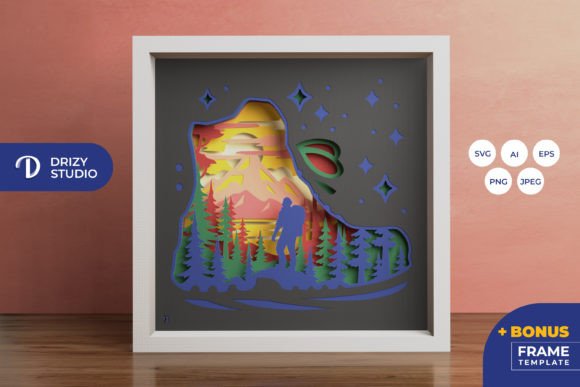
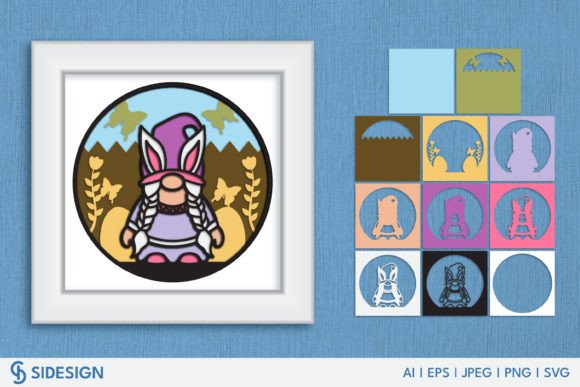
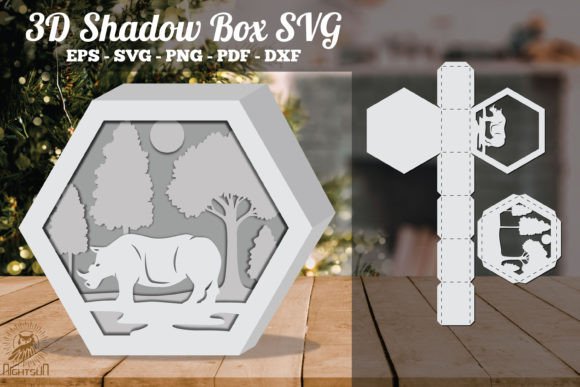
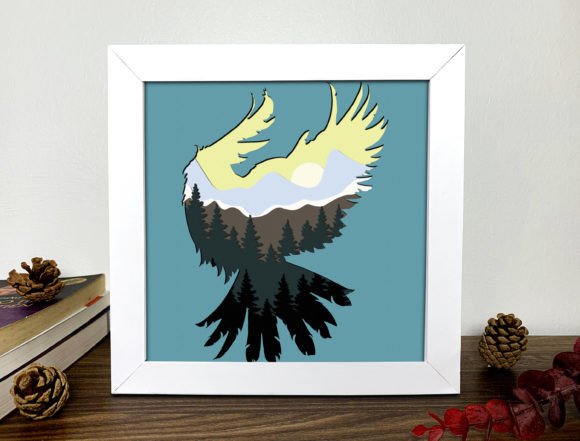
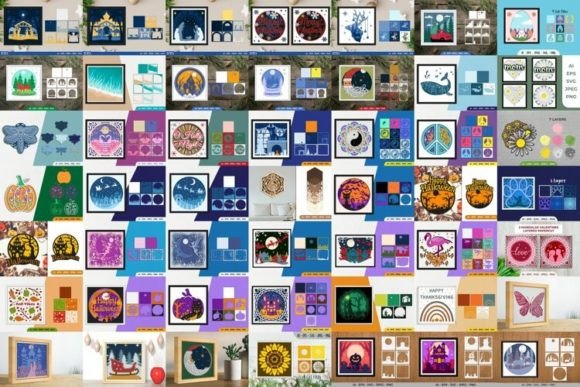
As a seasoned blog designer and digital publisher, I’m always on the lookout for design assets that elevate the visual storytelling of content marketing. Recently, I had the opportunity to work with the 3D Shadow Box Bundle, a collection of layered papercut SVGs designed specifically for creative use in editorial layouts, website headers, and social media graphics. This bundle offers more than 50 unique shadow box designs, each crafted with precision and layered depth, making it a standout resource for bloggers, publishers, and content creators who want to add dimension and character to their digital projects.
First Impressions: Aesthetic Mood and Editorial Fit
The 3D Shadow Box Bundle immediately stands out with its handcrafted charm and intricate detailing. The papercut style gives off a warm, artistic, and slightly whimsical vibe—perfect for lifestyle blogs, creative marketplaces, or educational content platforms. These designs naturally support niches like home decor, seasonal celebrations, children’s education, and small business branding. The decorative yet clean lines make them feel modern without being overly playful, striking a balance between professional and approachable.
When placed alongside text, these shadow boxes create a sense of curation and care. Readers are more likely to perceive your content as thoughtful and high-quality when visuals carry this kind of craftsmanship. It’s not just about looking pretty—it’s about building reader trust through consistent, well-designed visuals.
Real-World Applications in Content Publishing
One of the most exciting aspects of the 3D Shadow Box Bundle is how versatile it is across different publishing formats. Here are several ways I’ve successfully integrated these assets into real workflows:
- Blog Featured Images: Adding a subtle shadow box element to a blog header can give your post a curated, magazine-style look. It works especially well with minimalist backgrounds and bold typography.
- Pinterest Graphics: The layered depth of the 3D SVGs makes them highly clickable on Pinterest. Use them to frame key points, product highlights, or seasonal themes in vertical pins.
- Article Headers and Section Dividers: These designs help break up long articles visually, guiding readers through sections while maintaining a cohesive brand identity.
- Newsletter Banners: Incorporating a shadow box into your newsletter header adds a personal touch and reinforces your brand's creative personality.
- Digital Guides and Lead Magnets: When designing free resources like worksheets or eBooks, using a shadow box layout instantly elevates the perceived value and professionalism of the download.
- Media Kits and Branding Assets: For affiliate marketers or small businesses offering sponsored content, the bundle can be used to craft branded elements that stand out but remain tasteful.
- Canva Templates: If you frequently build templates for clients or your own content, the 3D Shadow Box Bundle is an excellent addition to any Canva library, especially for themed content calendars.
Design Performance: Enhancing Clickability and Visual Hierarchy
In the world of digital publishing, first impressions matter. The 3D Shadow Box Bundle helps strengthen that initial impact by providing a clear focal point and enhancing visual hierarchy. Whether it’s framing a call-to-action button or highlighting a key statistic in an article, these assets draw the eye in a way that flat illustrations simply can’t.
They also contribute to better click-through potential. On platforms like Pinterest or Instagram, where scroll fatigue is common, a visually rich shadow box can act as a visual hook, encouraging users to stop and engage with your content. This is particularly useful for affiliate marketing posts or promotional landing pages where every second counts.
Branding Consistency Across Channels
Consistent branding is crucial for building a recognizable online presence. The 3D Shadow Box Bundle allows you to maintain that consistency across multiple channels—from blog thumbnails to downloadable printables. By reusing similar shadow box styles throughout your site, you reinforce your brand identity and help readers navigate your content with ease.
I found that placing the same shadow box motif in both blog headers and newsletter banners helped unify the experience. Readers began to associate the design with quality and reliability, which is essential for any content creator aiming to grow a loyal audience.
Where the 3D Shadow Box Bundle Shines
Here are the top areas where this asset has made a noticeable difference in my publishing workflow:
- Hero Images: When paired with soft gradients or pastel tones, the 3D shadow boxes become elegant centerpieces for homepage banners or category landing pages.
- Article Thumbnails: These can be used as background accents for thumbnails, helping categorize posts at a glance and improving user experience.
- Editorial Accents: Sprinkle them throughout your articles to highlight quotes, testimonials, or featured products in a non-intrusive way.
- Content Upgrades: From printable checklists to step-by-step guides, shadow boxes add a polished finish that makes digital downloads more appealing.
- Social Media Previews: They’re ideal for creating preview images for YouTube, podcasts, or video tutorials—giving your content a more engaging and shareable appearance.
Cautious Use in Specific Contexts
While the 3D Shadow Box Bundle is incredibly flexible, there are some situations where you might want to use it carefully:
- Small Mobile Thumbnails: The detailed nature of these designs can get lost in smaller image sizes, reducing their effectiveness.
- Text-Heavy Blog Images: Overuse can distract from important copy. Stick to one or two per graphic to keep the message front and center.
- Low-Contrast Backgrounds: Some of the more delicate shadow boxes may not show up clearly if placed against muted or gradient-heavy backdrops.
- BUSY LAYOUTS: In web design where information density is high, avoid adding too many decorative elements to maintain clarity.
- Serious Professional Niches: While they work great for lifestyle and educational content, shadow boxes may feel too casual for corporate or finance-related sites.
Publisher Tips for Maximum Impact
To ensure the 3D Shadow Box Bundle performs well in your content ecosystem, here are some practical tips I recommend:
- Test on Desktop and Mobile: Make sure the design scales well and remains legible on all screen sizes.
- Check Thumbnail Quality: Preview how the shadow box looks when compressed to see if it still retains its shape and detail.
- Place Beside Different Fonts: Try pairing the asset with serif, sans-serif, script, handwritten, and display fonts to find the right typographic match for your brand voice.
- Review File Size: Since these are 3D SVGs, file size can vary. Optimize them before embedding in web pages to prevent slow load times.
- Confirm Commercial Licensing: Before using the bundle in monetized websites, affiliate content, or paid digital products, verify that the commercial license covers your intended usage.
Final Thoughts on 3D Shadow Box Bundle
After testing the 3D Shadow Box Bundle in various editorial and web publishing contexts, I can confidently say it’s a valuable addition to any creative toolkit. Its layered, papercut aesthetic brings warmth and dimension to otherwise flat digital spaces, supporting everything from blog headers to downloadable resources. It’s particularly effective in niches that lean into creativity, education, and lifestyle content, where visual appeal plays a big role in reader engagement.
If you're a blogger, digital marketer, or affiliate content creator looking to inject more personality into your visuals, this bundle is worth exploring. Just remember to test it thoroughly in your actual publishing environment to ensure it aligns with your brand identity and performance goals.