Cat in the Kitchen 3D Shadow Box SVG Review for Client Projects
As a graphic designer who regularly sources and integrates design assets into client projects, I always look for elements that not only add visual interest but also align with brand tone and purpose. Recently, I reviewed the Cat in the Kitchen 3D Shadow Box SVG, and while it may seem like just another cute illustration at first glance, its layered depth and stylized approach offer more than meets the eye. This asset could serve as an engaging addition to creative projects that lean into whimsy, storytelling, or playful branding.
A First Glance: Whimsy Meets Dimensional Charm
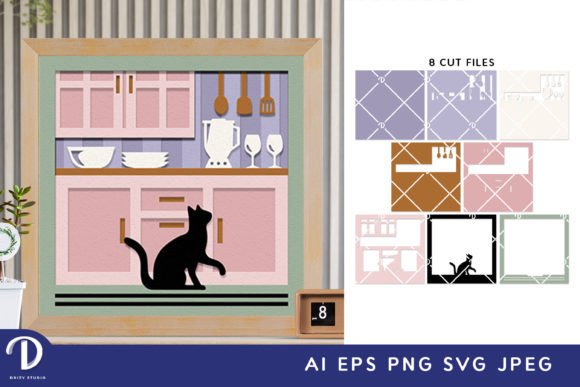
The Cat in the Kitchen 3D Shadow Box SVG immediately stands out for its charming composition. It features a stylized cat set within a kitchen scene, rendered with a subtle 3D effect that gives it a tactile, shadow-box-like appearance. The colors are warm and inviting, suggesting a cozy, domestic setting—perfect for brands aiming to evoke familiarity and comfort. The overall style is reminiscent of modern handcrafted illustrations, which sit well in today’s design trends favoring personality over sterile minimalism.
While this SVG isn’t suited for every project, it naturally fits into themes like pet-related products, lifestyle brands, home décor, or seasonal campaigns. Its illustrative nature brings a sense of narrative, making it ideal for contexts where visual storytelling enhances the message.
Real-World Application in Design Projects
Let’s break down how this asset might perform across different use cases:
- Product Mockups & Packaging Design: The Cat in the Kitchen 3D Shadow Box SVG works beautifully on product mockups, especially for items like mugs, stickers, tote bags, or wooden plaques. The 3D layering adds a dynamic touch without overwhelming the layout. For packaging design, it can be used as a decorative accent or a central motif on gift boxes, jars, or boutique product lines.
- Editorial and Social Media Graphics: In editorial design, such as blog headers or Instagram posts, this illustration helps create a relaxed, approachable mood. When placed against a clean background, it becomes a focal point that encourages engagement through its whimsical charm.
- Print-on-Demand and Etsy Products: If you're designing for a print-on-demand platform or an Etsy shop, this SVG is a solid candidate for wall art, phone cases, or greeting cards. The 3D shadow box effect makes it feel premium and unique, which can justify higher price points and differentiate your offerings from generic clipart.
- Brand Identity and Themed Campaigns: While it's not a logo itself, it can support brand identity in themed campaigns—especially for handmade businesses, artisanal food labels, or lifestyle content creators. Think of it as a supporting character in your visual story, adding warmth and character to marketing visuals or promotional materials.
- Canva Templates and Cricut Projects: The SVG format is easy to integrate into Canva templates or Cricut projects, offering flexibility for both digital and physical crafting. Its layered structure allows for customization, such as resizing individual components or adjusting colors to match a brand palette.
Where This Design Asset Shines
This kind of 3D shadow box illustration excels in environments that allow for generous visual space. Here are some ideal scenarios:
- Large Layout Areas: The intricate details and dimensional aspects come alive when given room to breathe. Use it as a hero graphic in posters, flyers, or website banners to make a bold impression.
- Hero Graphics and Decorative Accents: As a standout visual element, it adds texture and interest to otherwise flat compositions. Consider using it to frame a call-to-action or highlight key campaign messages.
- Themed Collections and Seasonal Campaigns: The kitchen and cat theme makes it perfect for holiday collections, pet-themed events, or spring/summer campaigns centered around home life and comfort.
- Printable Wall Art and Sticker Designs: Whether printed large on canvas or small on vinyl, the 3D effect translates well into tangible products, enhancing their perceived value and uniqueness.
- Supporting Brand Elements: It can complement other design assets in a cohesive brand package, such as icons, patterns, or mascot illustrations, especially if the brand voice is friendly and relatable.
Designers Should Be Mindful of These Limitations
Despite its strengths, there are situations where this asset might not perform optimally:
- Small Sizes: The fine details and layered shadows may get lost when scaled down for things like social media profile pictures or tiny product tags. Always preview it at smaller dimensions before finalizing layouts.
- Crowded Layouts: Placing this illustration in a busy design with too many elements can dilute its impact. It needs breathing room to shine and avoid competing with other graphics or text.
- Complex Backgrounds: The soft gradients and textures in the background of the SVG can clash with similarly detailed or patterned backgrounds. Test it on various base designs to ensure it doesn’t become visually disruptive.
- Low-Contrast Applications: Because of its muted tones, the Cat in the Kitchen 3D Shadow Box SVG may struggle in low-contrast settings. Ensure it has enough contrast against the background to maintain visibility and clarity.
- Minimalist Branding: If the client’s brand aesthetic is sleek, modern, and minimalist, this illustration might feel out of place. However, it could still work subtly as part of a curated design bundle or background element.
- Corporate or Professional Materials: This asset leans toward casual and artistic styles, so it’s less appropriate for formal business proposals, legal documents, or high-end corporate brochures. Save it for more expressive or lifestyle-oriented projects.
Evaluating Readability and Visual Impact
In terms of readability, the Cat in the Kitchen 3D Shadow Box SVG doesn’t interfere with text-based layouts if used appropriately. When paired with clear typography—such as sans serif or display fonts—it can enhance the visual hierarchy by acting as a visual anchor or divider. However, combining it with script or handwritten fonts could risk muddying the professional tone, unless that’s the intended effect for a craft-focused brand.
From a brand consistency perspective, the illustration supports emotional appeal and audience connection. It feels personal and relatable, qualities that resonate well with niche audiences such as pet lovers, home cooks, or those drawn to cozy aesthetics. That said, designers should ensure that the color scheme and style align with the existing brand identity to avoid inconsistencies in visual trust and recognition.
Practical Designer Notes Before Use
Before integrating this SVG into a client project, here are some checks I recommend:
- Test in Black and White: The grayscale version of the illustration maintains its shape and form, though some of the warmth and detail is reduced. This is important if the client plans to use it in monochrome formats or printing processes that don’t support full color.
- Check Contrast on Light and Dark Backgrounds: The illustration performs best on light backgrounds, where its soft shading remains visible. On darker bases, consider adding a subtle drop shadow or white stroke to improve legibility.
- Preview at Small and Large Sizes: As mentioned earlier, the file contains intricate elements that need to be tested across scale ranges to ensure they remain crisp and recognizable.
- Place on Real Mockups: Try placing it on actual product mockups (e.g., a mug or tote bag) to assess how it looks in context. Sometimes, what works in isolation doesn’t translate well to real-world applications.
- Test Print Quality: If you plan to sell this as a printable design or use it in merchandise, test it on physical prints to evaluate how the 3D effect holds up under different printing techniques and surfaces.
- Review File Formats: Make sure the SVG comes with PNG layers or transparent backgrounds if needed for layered compositions. Also, check if the vector paths are editable, allowing for customization beyond simple recoloring.
- Confirm Commercial Licensing: Always verify that the design is available under a commercial license if you intend to use it in paid projects or resell it as part of a design bundle. This is crucial for marketers, digital sellers, and print-on-demand entrepreneurs.
Why This Is a Useful Creative Asset for Professionals
What sets the Cat in the Kitchen 3D Shadow Box SVG apart is its ability to elevate the visual mood of a design without being overpowering. It’s not just a clipart-style image; it carries weight and character that can transform ordinary layouts into something memorable. For instance, when creating a brand identity for a handmade pet accessory line, this illustration helped bridge the gap between professionalism and playfulness.
Its layered design makes it adaptable to multiple mediums, including digital ads, Pinterest pins, and even sublimation projects. When paired with the right font choices—like a rounded sans serif or a whimsical script—it reinforces the lighthearted tone effectively. Just remember that balance is key: let the illustration speak, but don’t let it shout.
Final Thoughts for Designers and Content Creators
As a seasoned designer, I appreciate the versatility of the Cat in the Kitchen 3D Shadow Box SVG. It’s a great example of how a thoughtful illustration can bring personality to a project without sacrificing polish. Whether you’re working on a creative marketplace listing, a handmade business rebrand, or a seasonal campaign, this asset can help you stand out in a sea of sameness.
However, its success depends heavily on context. Use it in places where it can thrive—like large-scale hero graphics, product mockups, or thematic content—and avoid applying it in areas where simplicity and clarity are non-negotiable. With the right application and careful consideration of its limitations, the Cat in the Kitchen 3D Shadow Box SVG can be a valuable tool in your design arsenal.