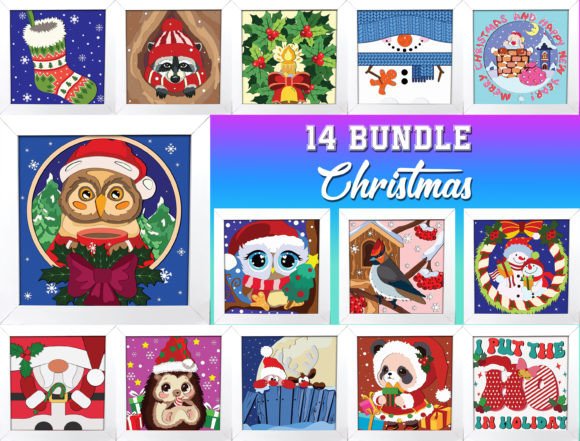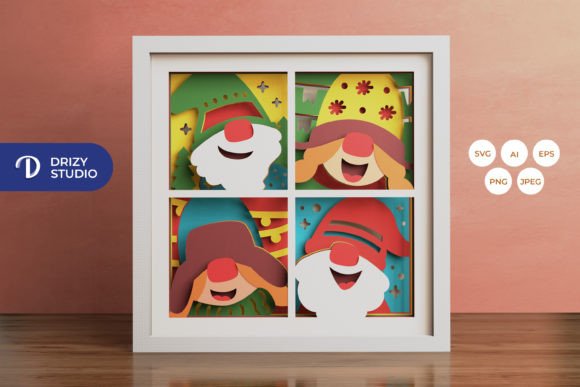
Christmas Gnome 3D SVG Shadow Box for Festive Branding
As a seasoned graphic designer with experience across branding, packaging, and digital campaigns, I often find myself vetting design assets that promise to elevate visual storytelling. The Christmas Gnome 3D Shadow Box is one such asset that caught my eye—not just for its holiday cheer but for the way it can be integrated into a variety of professional contexts.
A Warm Welcome to a Festive Visual Element
The first thing that stands out about this design is its layered composition and whimsical charm. The Christmas Gnome 3D Shadow Box delivers a handcrafted aesthetic that’s perfect for small businesses looking to add seasonal warmth without compromising on quality. It evokes a cozy, nostalgic mood ideal for handmade brands, boutique shops, or Etsy sellers who want their visuals to feel personal and inviting.
From a style perspective, the shadow box feels like part of a modern design approach with traditional roots. Its paper-cutting motif gives it a tactile, artisanal look while maintaining enough structural clarity to work well in both digital and print environments. This makes it a strong contender for brand identity elements, especially when paired with organic or rustic typography styles.
Real-World Applications: Where This Asset Shines
In real client projects, the Christmas Gnome 3D Shadow Box has proven itself particularly effective in several key areas:
- Product Mockups: When designing mockups for Christmas-themed products—like mugs, calendars, or gift boxes—this asset adds depth and a sense of three-dimensionality that elevates the overall presentation.
- Hero Graphics: For social media posts, website banners, or email headers, placing the gnome as a central focal point can create an instantly recognizable and festive vibe.
- Printable Designs: As a printable design, it works beautifully in invitations, greeting cards, or even as part of a themed collection for a local event or seasonal campaign.
- Editorial Design: In blog layouts or magazine-style content for a handmade business, the gnome acts as a decorative accent that supports the narrative of craftsmanship and tradition.
- Brand Packaging: Small business owners in the craft or home decor niche can use this asset to enhance product labels or box designs, giving their offerings a curated and cohesive look.
- Cricut Projects: Crafters and DIY enthusiasts will appreciate how easily it integrates into Cricut machines, allowing for quick prototyping of custom ornaments or signage.
- Commercial Design Assets: If you're building a design bundle for a creative marketplace or selling digital products, this template provides a versatile base for multiple applications.
Design Considerations and Limitations
While the Christmas Gnome 3D Shadow Box is visually appealing, there are some limitations to consider before incorporating it into a project:
- Small Sizes: The intricate layers and details may not hold up at smaller scales. Always preview it at thumbnail sizes to ensure it remains legible and impactful.
- Crowded Layouts: This asset is best used in layouts where it can breathe. Overloading a design with too many elements might dilute its effect or make it appear cluttered.
- Complex Backgrounds: Placing it over busy textures or gradients could reduce its visual clarity. A solid or subtle background allows the gnome to stand out and maintain its intended emotional appeal.
- Minimalist Branding: For clients pursuing a sleek, modern brand identity, this design might not align unless it's stylized or simplified significantly.
- Professional Corporate Materials: Unless the client is leaning into a more playful, seasonal tone, using this in formal documents or presentations may not convey the desired level of professionalism.
How It Impacts Readability and Hierarchy
Readability is crucial in any design project, and the Christmas Gnome 3D Shadow Box plays a role here as a supporting element rather than a primary text carrier. Its placement should always be considered in relation to the visual hierarchy. Used correctly, it can guide attention toward key messaging or serve as a thematic anchor in a larger layout.
I recommend testing it with different font pairings—especially comparing serif, sans-serif, script, and display fonts—to see how it interacts with your typographic choices. In most cases, pairing it with a script font enhances the handcrafted feel, whereas a display font might overpower it. Balance is key to ensuring the design doesn’t distract from the message.
Testing Before Implementation
Before finalizing the use of Christmas Gnome 3D Shadow Box in a client project, I follow a few essential checks:
- Test in Black and White: While the original color scheme is festive, it’s important to confirm whether the asset retains its visual interest in grayscale. This helps determine if it can be used in limited-color print scenarios.
- Check Contrast on Light/Dark Backgrounds: The shadow box needs to maintain clear separation from the background. I’ve found it performs best on light tones, though a dark version can be created by reversing the colors.
- Preview at Multiple Sizes: Whether it’s going on a sticker or a large banner, seeing how it scales ensures consistency across all touchpoints.
- Place on Real Mockups: Use it on actual product mockups—like t-shirt templates or mug previews—to evaluate how it looks in context and whether it meets the client’s expectations.
- Test Print Quality: If it’s part of a print-on-demand offering, print samples to check for clarity, alignment, and detail retention.
- Review File Formats: Ensure the asset includes both SVG design files for scalability and PNG files for transparency. These formats are essential for flexibility in editing and layering within software like Adobe Illustrator or Canva.
- Confirm Commercial Licensing: This is a must for any commercial design project. Make sure the license allows for resale, rebranding, or inclusion in a design bundle if needed.
Emotional Appeal and Audience Engagement
Festive design elements like the Christmas Gnome 3D Shadow Box can have a powerful impact on audience engagement. They tap into the emotional resonance of the season, making them ideal for holiday marketing visuals or seasonal promotions. The whimsical nature of the gnome can help a brand feel more approachable and community-oriented—qualities that resonate well with audiences seeking authenticity.
However, it’s important to match the tone of the asset with the brand voice. A quirky Christmas Gnome 3D Shadow Box might clash with a luxury brand’s image but could be perfect for a family-run bakery launching a seasonal campaign.
Why It’s Worth Adding to Your Design Toolkit
For designers working with small business branding, this asset is invaluable. It offers a unique blend of festive charm and professional adaptability. Unlike generic clipart, the Christmas Gnome 3D Shadow Box brings a crafted feel that can set a project apart in a crowded market.
Its versatility also means it can be adapted for various creative design purposes—from sticker design and product labels to Pinterest pins and Instagram posts. As a graphic design asset, it’s easy to modify and repurpose, which is especially useful when creating themed collections or seasonal variations of existing products.
Final Thoughts for Professional Designers
The Christmas Gnome 3D Shadow Box isn’t just another holiday illustration—it’s a thoughtful SVG design that can support a range of marketing visuals and packaging design needs. Its layered structure and square format give it a grounded yet magical presence, suitable for both digital ads and physical items alike.
That said, it requires careful integration to avoid overwhelming the design or pulling focus away from key messages. When used thoughtfully, however, it can contribute to a stronger brand consistency during the holiday season and help build a more memorable visual trust with customers.
If you’re preparing for a Christmas campaign or need a standout element for a real client project, this 3D SVG asset deserves a place in your consideration list. Just remember to test, adapt, and always verify licensing terms before taking it live in a commercial setting.