Deer Antler 3D Shadow Box Paper Cut Review
As an experienced embroidery designer and product reviewer, I always look for designs that not only capture a theme beautifully but also perform well in real-world applications. The Deer Antler 3D Shadow Box Paper Cut caught my attention with its intricate silhouette work and the way it mimics the delicate art of paper cutting within a digital embroidery format. This design is more than just a visual treat—it’s a statement piece that can elevate both personal and commercial embroidery projects when used thoughtfully.
A First Glance: Elegance Meets Depth
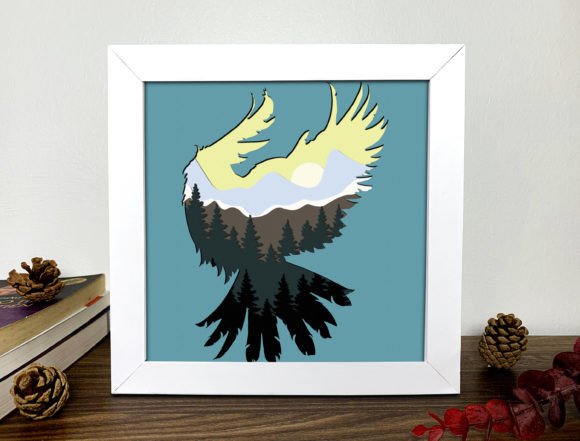
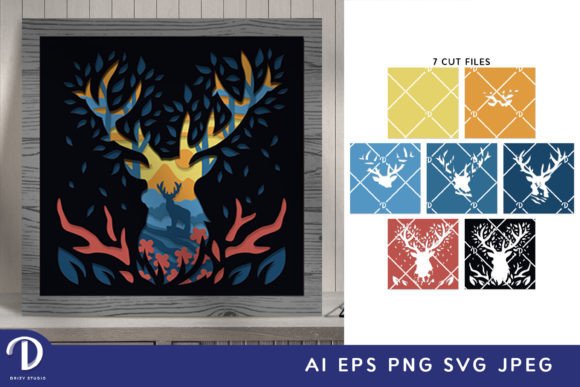
The first thing that stands out about this Shadow Box design is its layered composition. The deer antler is rendered with fine, overlapping lines and negative space that give it a sense of depth and movement. It doesn’t feel flat or generic; instead, it has a subtle 3D effect through clever stitch placement and spacing. The mood is serene and nature-inspired, making it ideal for woodland-themed items or minimalist aesthetics.
I immediately thought of how this would translate onto a soft cotton sweatshirt or a linen tote bag. The layout feels balanced, with the antler centered and symmetrical enough to maintain visual harmony without overwhelming the fabric. The detail level is high, which is great for showing off craftsmanship, but it also means careful planning is required to ensure all elements come through cleanly after stitching.
Real-Life Use Cases for Deer Antler 3D Shadow Box Paper Cut
This design could be a standout on a variety of handmade products. For instance, imagine using it as part of a custom embroidered nursery wall hanging. The soft curves and organic shapes of the antler complement pastel colors and natural materials like burlap or felt. Similarly, it would make a unique addition to holiday gifts—think embroidered tea towels or aprons with a rustic or cabin-style vibe.
Custom apparel is another strong fit. A light-colored t-shirt or hoodie featuring this design stitched along the back seam or across the chest would create a subtle yet impactful look. For sweatshirt embroidery, the layered shadow box technique adds dimension without being too busy. The same goes for tote bags, especially those made from medium-weight fabrics where the design can breathe and show off its details.
If you’re an Etsy seller or run a craft business, this design can serve as a signature motif. It’s versatile enough for personalized gifts like embroidered pillows or baby blankets, and it brings a touch of sophistication to small shop products. As a decorative embroidered patch, it could even be sewn onto denim jackets or backpacks for a modern outdoor flair.
When to Use Carefully
While the Deer Antler 3D Shadow Box Paper Cut is visually stunning, it’s not one-size-fits-all. Certain factors need consideration before applying it to your next project:
- Small hoop sizes: The design's complexity might exceed the capacity of smaller hoops. If you're working on a tiny patch or cap, simplify the layout or scale down carefully.
- Textured or stretchy fabrics: These can distort fine lines and affect stitch clarity. Always test on similar material before committing to a large batch.
- Thin or dark fabrics: The subtlety of the shadow box effect may get lost on black or very thin materials. Thread color contrast is key here—opt for white or cream on darker bases if possible.
- Curved surfaces: On caps or curved seams, the design might require some manual adjustment to maintain its shape and integrity.
- Dense stitch areas: The design uses a lot of fill and satin stitches, which can cause puckering or stiffness on delicate items like baby clothes unless proper stabilizers are used.
For commercial embroidery, always double-check whether the design includes appropriate licensing. While the file is labeled as a 3D SVG, it’s important to confirm permissions before selling finished goods or digital assets.
Design Notes for Optimal Stitching Results
Here are some practical tips to help you achieve the best outcome when using this machine embroidery design:
- Test on scrap fabric first: Especially if you're planning to use it for client orders or mass production. This will help you identify any potential issues with stitch flow or tension.
- Check thread color contrast: The shadow box style relies on tonal differences. Choose thread colors that highlight the layers while maintaining a cohesive look.
- Review stitch density: Dense fill areas might need lightening depending on your fabric choice. Too much stitch density can lead to fabric distortion or stiffness.
- Confirm hoop size requirements: Some parts of the design might be tight in small hoops. If unsure, refer to the recommended hoop size in the digital embroidery file description.
- Inspect small details: The fine cuts and lines in the antler require attention to ensure they don’t get muddled during stitching.
- Use the right stabilizer: A tear-away or cut-away stabilizer can help preserve the design’s crisp edges and dimensional appeal.
- Consider black-and-white mockups: Before finalizing your product, test the design in grayscale to see how it looks under different lighting conditions.
- Compare fabric backgrounds: Light and dark tones can dramatically change the perception of the design. Make sure it works for your intended application.
- Assess commercial viability: Ensure the design meets the needs of both personal and commercial embroidery projects. Licensing terms should be clear if you plan to sell digitally or physically.
Visual Appeal and Customer Reaction
One of the most appealing aspects of this design is its ability to blend seamlessly into various themes. The antler motif is timeless and appeals to a wide audience—from outdoor enthusiasts to nature lovers and boutique shoppers. When applied to a handmade product, it enhances the overall presentation and gives the item a professional finish.
In terms of customer reaction, I expect positive feedback due to the elegant and clean look. People tend to gravitate toward nature-themed designs, especially when they’re executed with such care. However, be cautious when using it on products that are meant to be worn daily or washed frequently. The detailed corners and dense stitching might not hold up over time unless reinforced properly.
Handmade Presentation and Brand Consistency
For makers who value brand consistency, the Deer Antler 3D Shadow Box Paper Cut can become a signature element in your product line. Whether you’re creating nursery decor or holiday embroidery, this design offers a consistent aesthetic that reflects quality and intentionality. Its structured layout allows it to be repeated or mirrored effectively, making it useful for matching sets like pillow covers or duvet inserts.
It also supports a range of design assets—from printable mockups for online listings to digital previews for Etsy shops. As a craft business owner, having a design that translates well both in physical form and digital marketing is invaluable. The 3D aspect adds a premium touch, helping justify higher pricing and increasing perceived value.
Professionalism and Giftability
From a professionalism standpoint, this design speaks volumes. It’s not just an applique—it tells a story. That kind of narrative is powerful in custom apparel and personalized gifts. Customers appreciate thoughtful details, and the Shadow Box technique ensures that the design remains eye-catching and tactile.
Giftability is another area where this design shines. Think of it as the perfect embroidered patch for a handmade journal or a stitched accent on a wooden plaque. The paper cut style gives it a handcrafted feel, which resonates strongly with buyers looking for meaningful, artisan-made items.
Final Thoughts for Embroidery Designers and Makers
Overall, the Deer Antler 3D Shadow Box Paper Cut is a solid choice for designers aiming to add depth and character to their work. It’s not a basic outline or simple pattern—it’s a full-featured embroidery file that deserves equal attention to execution as to concept.
Its strength lies in how it balances beauty with functionality. You won’t regret adding it to your design library, but do take the time to evaluate how it fits your specific needs. Will it look good on a tote bag design? Yes, especially if the fabric is smooth and light. How about on a stretchy athletic wear piece? Probably not—the fabric and stitching may not support the design’s structure.
Remember, the goal is to make the design work for you and your customers. By understanding its limitations and strengths, you can confidently apply it to the right projects and avoid common pitfalls. Whether you're crafting for yourself or preparing inventory for your handmade shop, this design has the potential to stand out—if handled with care and creativity.
So go ahead, download the 3D SVG, review the layout, and let your instincts guide you. With the right approach, the Deer Antler 3D Shadow Box Paper Cut can become a favorite in your collection—and a hit with your customers.