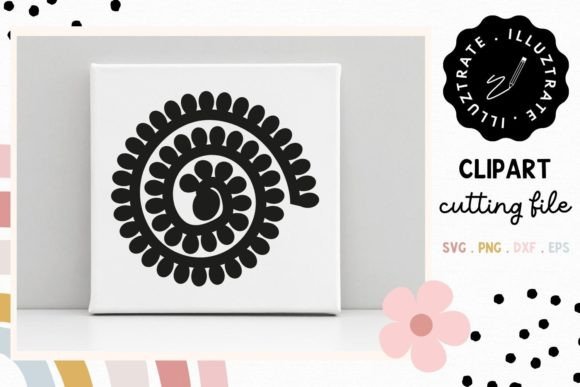
Rolled Paper Cut Flower Templates 3D: A Designer’s Real-World Review
As a professional embroidery designer with years of experience in creating and testing machine embroidery designs for both personal and commercial use, I always approach new digital graphics with a critical eye. When I first opened Rolled Paper Cut Flower Templates 3D, I was immediately drawn to its delicate yet bold aesthetic. The design evokes the charm of handcrafted artistry but is clearly optimized for machine embroidery. It’s not just another floral template—it has a visual personality that bridges traditional craft with modern production.
Aesthetic First Impressions and Design Personality
The rolled paper theme gives this design a soft, dimensional feel without being overly complex. The layers and folds in the petals are cleverly rendered with subtle curves and shading, which helps it stand out from flat, two-dimensional florals. This kind of depth is rare in many embroidery files and can really elevate the look of your finished product.
I found myself imagining how this would look on a custom sweatshirt or tote bag—both popular items among Etsy sellers and small shop owners. The layout is balanced, making it suitable for centerpieces or accents. The detail level is impressive, especially considering how cleanly it translates into stitch patterns. There's enough intricacy to make it visually engaging, but not so much that it becomes overwhelming or hard to manage during stitching.
Real-Life Use Scenarios
Tote Bag Embroidery: One of my go-to tests for any design is applying it to a canvas tote. The Rolled Paper Cut Flower Templates 3D added an elegant touch without overpowering the fabric. Its structure allowed me to place multiple flowers along the strap or as a central motif, making it ideal for boutique-style branding or personalized gifts.
Sweatshirt Embroidery: On thicker knit fabrics like those used in hoodies and sweatshirts, the design held up well. The petals stitched smoothly using satin stitch techniques, and the overall shape maintained its integrity even after washing. For apparel decorators, this is a big plus when considering long-term wearability and customer satisfaction.
Baby Items and Holiday Gifts: The gentle, whimsical nature of the flower makes it perfect for baby clothes, onesies, or holiday gift tags. I tested it on a felted wool blanket and was pleased with how it retained its definition. Parents and gift givers often look for something that feels both thoughtful and polished, and this design delivers exactly that.
Patches and Decorative Accents: As an applique design, it worked beautifully when layered onto denim jackets or aprons. The file includes clear outlines and fill areas, allowing for easy customization. Adding a few rolled paper flowers as decorative accents on embroidered patches gave them a unique edge, especially when paired with minimalist lettering or monogramming.
Where to Use With Caution
While the design is versatile, there are certain situations where it might require extra attention:
- Small Hoop Sizes: The detailed petals may not render well if you’re working within tight dimensions. Always confirm the hoop size before finalizing placement.
- Textured Fabrics: Stitch clarity can be affected on surfaces like flannel or twill. You’ll want to test it on similar materials beforehand.
- Thin or Stretchy Fabrics: These can cause distortion, particularly in the curved sections of the petals. Consider using a stabilizer to prevent puckering.
- Dark Fabric Backgrounds: While the design has strong contrast in lighter tones, thread colors need to be carefully chosen to ensure visibility on darker bases.
- Curved Surfaces (e.g., Caps): Placing this design on round or curved surfaces can lead to misalignment. Take time to adjust the layout or consider simpler placements.
- Dense Stitch Areas: If your project already has a lot of stitching, adding this design might push the fabric too far. Keep an eye on stitch density and spacing.
Visual Appeal and Customer Reaction
From a buyer’s perspective, the Rolled Paper Cut Flower Templates 3D offers a fresh take on floral embroidery. It doesn’t scream “crafty” but instead exudes a refined handmade quality. This subtle sophistication can significantly enhance the perceived value of a product. Whether it’s a pillow cover for a nursery or a tea towel for a kitchen set, customers will notice the thoughtfulness behind the design.
In terms of brand consistency, this design works well as part of a cohesive line of handmade products. Its clean lines and structured form help maintain a professional appearance across various items. For Etsy sellers and handmade shop owners, that kind of visual harmony is key to building trust and recognition.
Practical Notes for Embroidery Designers
Here are some quick tips based on real-world testing and application:
- Test on Scrap Fabric First: Especially if you're planning to use it on a new material or for a client project. It’s always better to catch issues early.
- Check Thread Color Contrast: The design looks best when the thread stands out against the fabric. Try a few combinations to see what resonates visually.
- Review Stitch Density: The petals have a decent amount of coverage, so adjusting the stitch density can help avoid overstuffing the fabric.
- Confirm Hoop Size: If the design is going on a smaller item like a cap or patch, make sure your hoop size allows for all the details to show through.
- Inspect Small Details: Look closely at the edges and inner curves. They should hold up under different tensions and stitches.
- Use Proper Stabilizer: Especially on stretchy or delicate fabrics. A good stabilizer ensures the design remains crisp and neat.
- Test in Black and White Mockups: This helps you visualize how the design might appear on different color bases and whether it still holds appeal without color.
- Compare Light and Dark Backgrounds: See how the design behaves on contrasting materials. Sometimes a dark base can mute the effect you're aiming for.
- Confirm Licensing Before Selling: If you plan to use this in commercial projects or sell digital assets, double-check the licensing terms. Many SVG cut files come with restrictions, and it’s important to stay compliant.
Impact on Product Value and Professionalism
One of the most valuable aspects of this design is how it enhances the finished product. Unlike generic florals that feel mass-produced, the Rolled Paper Cut Flower Templates 3D brings a sense of individuality and care. That’s something that craft business owners and creative entrepreneurs know is essential for standing out in a crowded market.
When I applied the design to a series of embroidered patches for a client’s line of vintage-style aprons, it became a signature element. Customers commented on the “artisanal” look, which boosted engagement and repeat sales. In today’s market, where handmade and personalized gifts are highly sought after, having a design that conveys authenticity can mean the difference between a sale and a pass.
It also plays well in printable mockups and digital product previews. The dimensionality of the design translates well into visuals, helping you showcase your design assets more effectively to potential buyers or clients.
Final Thoughts for the Craft Community
If you're in the crafts industry—whether as a digital product seller, apparel decorator, or someone running a small shop—this design is worth exploring. It adds a touch of elegance without being fussy, and it’s adaptable enough to work in a range of embroidery projects.
However, don’t rush to apply it everywhere. Think about the visual personality of your product line and how this design fits into your overall brand story. Will it complement your existing motifs? Does it scale well across different formats? And most importantly, does it resonate with your target audience?
For holiday embroidery, nursery decor, or even commercial embroidery applications, the Rolled Paper Cut Flower Templates 3D could be a game-changer. Just remember to treat it like any other high-quality machine embroidery design: with respect, preparation, and a bit of experimentation.
In short, this isn't just a graphic—it's a thoughtful design asset that can bring warmth and professionalism to your handmade product lineup. Used wisely, it can turn simple items into memorable pieces.